Why Do People Romanticize Tuxedos and Cocktail Lounges in Vegas?
There’s a certain allure to the image of sharp tuxedos, smoky cocktail lounges, and the constant hum of neon lighting up the Las Vegas Strip. This romanticized vision, deeply rooted in what historians and enthusiasts call the mid century nightlife, continues to captivate imaginations decades after the heyday of the Rat Pack. But why does this specific era—specifically the postwar resort boom of the 1950s and 1960s—hold such a powerful grip on our cultural memory?
The Postwar Resort Boom on the Strip: A New Kind of Entertainment
Starting around the late 1940s and swelling through the 1950s, Las Vegas underwent a transformation from a desert gambling outpost into a sprawling entertainment complex. Resorts no longer served merely as places to gamble; they evolved into all-in-one entertainment ecosystems, combining lodging, dining, gambling, and live entertainment under one sprawling roof.
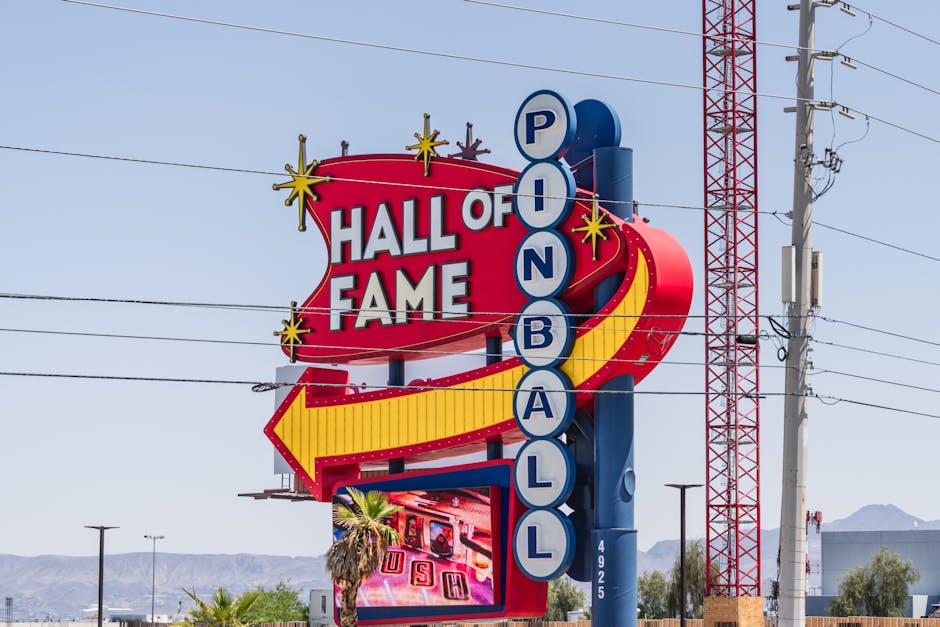
This period coincided with increased automobile travel and a booming postwar economy, which brought a growing middle fiftiesweb.com class hungry for leisure and spectacle. The advent of flashy, over-the-top resorts changed the game; neon signage and attention-grabbing, themed architecture became billboard-sized invitations in a desert landscape otherwise defined by emptiness.
Companies like MrQ casino today carry echoes of this era, blending digital-age convenience with some nods to classic Vegas aesthetics. However, modern visitor experiences can sometimes miss the nuance of why the 1950s Strip remains so otherworldly in cultural memory.
Neon and Architecture: The Language of Attraction
Neon signs and extravagant architectural design were more than decoration—they were a form of communication aimed to seduce drivers and visitors from miles away. The Sands, Sahara, and Desert Inn stand as monuments to this philosophy, using bold neon marquees to announce their vibrant nightlife offerings.

Unlike today's often more minimalist or casino-centric designs, these resorts broadcast their identity with theatrical flair, turning the Strip itself into a parade of lights and life. This created a visual rhythm, a glowing pulse that invited every traveler into a night of possibility and glamour.
Resorts as All-in-One Entertainment Ecosystems
The 1950s and ’60s resorts offered more than gambling—they developed into comprehensive entertainment hubs. This was a deliberate business model designed to attract visitors for more than just hours, encouraging longer stays and diversified spending.
- Lodging: Stylish, comfortable accommodations meant guests could settle in for the weekend or longer trips.
- Dining: Upscale restaurants catered to guests in tuxedos and cocktail dresses.
- Gambling: The core lure, but no longer the singular experience.
- Showrooms: Venues for nightly performances that became as important to bookings as the casino floor.
This integrated approach created a feedback loop where the spectacle of the shows brought crowds who then stayed to gamble and dine, and vice versa. The Smithsonian has chronicled this dynamic as key to understanding why Las Vegas became synonymous with glamour nostalgia rather than just gambling.
Showrooms and Production Shows: The Major Draw
If the casinos were the heart, the showrooms were the soul of the midcentury Vegas experience. Lavishly produced shows—the likes of which capitalized on big band music, comedy, magic, and, notably, appearances by the Rat Pack—turned the Strip into America’s entertainment capital outside Hollywood.
The Rat Pack image—Frank Sinatra, Dean Martin, Sammy Davis Jr., and company—in tuxedos, sharing stages and cocktails, crystallized the archetype of this nightlife. Their presence and the aura they generated broadcasted to the world a blend of effortless charm and high stakes fun emblematic of the era.
These production shows weren’t cheap, and the absence of accurate historical records around ticket prices, room rates, or exact show schedules is a common mistake in popular narratives. For instance, websites like Fifties Web are invaluable resources but often lack detailed economic data, which can distort how we imagine access to this nightlife—making it seem either more exclusive or accessible than it truly was.
Why the Romance Endures
The question remains: why keep returning to this image of tuxedos and cocktail lounges? Part of it is the mythology Las Vegas built around itself—a deliberate cultivation of an image that combined rat pack image cool with the excess of the American Dream.
The glamour nostalgia serves as a kind of time capsule when live performance was king, when the marriage of architecture, technology (bright neon), and talent felt like magic designed specifically to dazzle and distract. There’s also a sense of lost simplicity—a paradoxical yearning for the era's combined sense of sparkle and style amid a rapidly modernizing world.
Beyond nostalgia, this period represents a pinnacle for mid-century American nightlife. No other city so boldly embraced this flamboyant synthesis of entertainment and hospitality. Unlike today's multifaceted digital engagements, the entertainment of the time involved a physical presence, an occasion, a nightly ritual.
Contemporary Resonances
Modern casinos like MrQ preserve the nostalgia not by copying the past but by integrating these historic influences with new experiences. Digital slots and platforms may lack neon’s glow, but the core values of spectacle and indulgence remain, proving the legacy born in the Dust Bowl era is very much alive. However, the glamorization of past decades often glosses over the realities of costs and accessibility, so it’s important to acknowledge these layers.
In Conclusion
The romanticizing of tuxedos and cocktail lounges in Las Vegas is not just about aesthetics or nostalgia. It captures a historic moment when Las Vegas invented a new kind of entertainment ecosystem, driven by neon, architecture, showmanship, and the magnetism of stars like the Rat Pack. This postwar boom wasn’t merely a chapter in city development—it shaped the world’s view of leisure and glamour for generations.
While it’s tempting to look back with rose-colored glasses, fully appreciating this allure means acknowledging both the spectacle and the economic realities, the show’s glitter and its backstage. Only through this layered lens can the continued fascination with mid-century Vegas nightlife—the heart of the tuxedoed cocktail lounge—be truly understood.