How to Find People Worldwide Who Support the Same Team
Supporting a sports team has always been more than just following the game — it’s about belonging to a community, sharing passion, celebrating victories, and commiserating defeats. But how do fans connect with one another across cities, countries, or continents? The ways fans find each other and unite around their favorite teams have evolved dramatically over the decades. From the crackling radios of the early 20th century to today’s instant, on-demand streaming, the methods have transformed but the desire remains the same: to be part of a vibrant fan community.
Sports Fandom in the Radio Era: Voices Across the Airwaves
Decades ago, when television was scarce and internet far from reach, radio was the heartbeat of sports fandom worldwide. Broadcasters painted vivid pictures of matches with their voices and sounds — the roar of the crowd, the crack of the bat, the thud of the ball — bringing games to life for listeners miles away from the stadium.
This era was pivotal in uniting fans who couldn’t attend games or even see them live. Sports programs aired at fixed times, and listeners often gathered around a single radio, sharing commentary and cheering together. While solitary in some respects, radio broadcasts spurred communal listening across neighborhoods, creating local hubs of fandom.
Despite no direct way to connect with other fans globally, the shared experience through radio broadcasts helped forge an early sense of fandom community. People exchanged game analyses and fan stories in person, at cafes, workplaces, and schools.
Printed Newspapers and Delayed Results: The Patience of Fans
Before instant communication, newspapers were the primary source for detailed sports news. Fans would eagerly await the next day’s edition to read match reports, player interviews, and league tables. The delayed results in print demanded patience but also encouraged reflection and discussion.
These print stories played a crucial role in fueling fan conversations. Pubs and social clubs often had copies of the morning paper, and fans would debate analyses and predictions over breakfast or evening drinks. Though slower paced, this created a steady rhythm to fandom, bridging communities locally through shared reading experiences.
In addition, some newspapers published letters from readers, allowing fans to voice opinions publicly and respond to others, early precursors to today’s interactive fan dialogues.
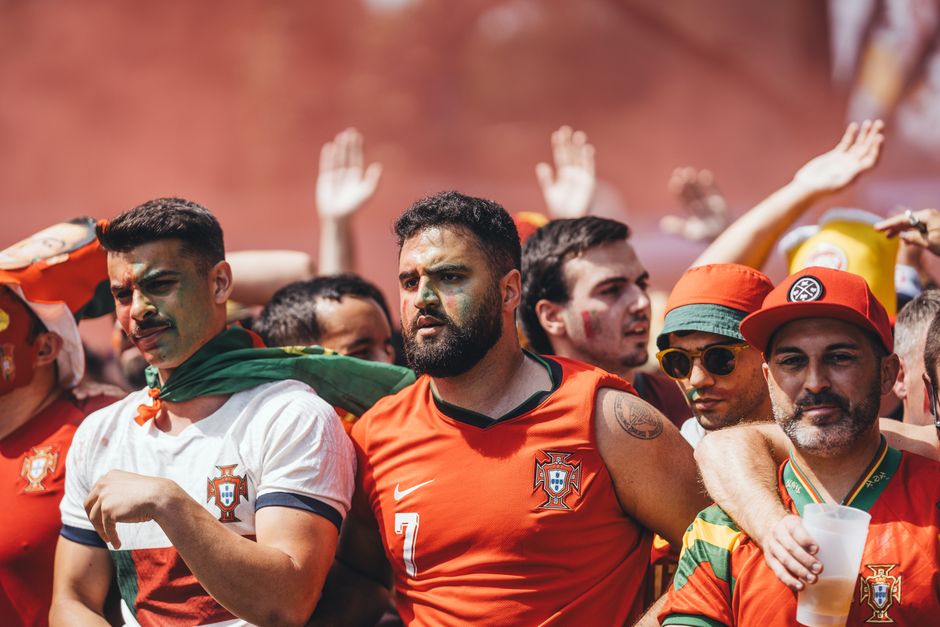
The Era of Scheduled Television Broadcasts: Seeing the Action Live
With television’s arrival, sports fandom entered a new vibrant phase. However, broadcasting rights and limited channel availability meant only select games aired live, often at fixed schedules. Fans had to plan their viewing around the TV guide and sometimes missed matches or highlights.
This scarcity turned sports broadcasts into must-watch communal events. Families, friends, and neighbors gathered to watch games together, amplifying the social connection among fans of the same team. Viewing parties and neighborhood screens became cultural phenomena.
But geographically distant fans faced challenges connecting with each other since broadcasts were region-locked and international matches rarer on mainstream TV. Still, messaging after matches — through phone calls or mailed fan letters — helped maintain fan bonds.
Modern Fandom: On-Demand Streaming, Highlights, and Global Communities
Today’s technology has wrought a revolution in how sports fans connect. On-demand streaming platforms allow watching entire games, condensed highlights, or key plays anytime, anywhere, overcoming past limitations of scheduled broadcasts and geographic borders.
This ease of access means fans can follow their teams live across time zones or catch up during breaks, fueling continuous conversation and engagement.
Online Fan Communities
The internet hosts countless fan communities dedicated to teams around the world. These platforms bring together supporters regardless of location to discuss, debate, share news, memes, and experiences.
- Team forums and fan websites: Long-established hubs where members post game analyses, fan-created content, and organize meetups.
- Reddit: Subreddits focused on specific teams have active threads around every matchday and news event.
- Discord servers: Real-time chat spaces for fans to voice reactions instantly during games and socialize off the pitch.
Social Media Groups
Social media platforms power vast and vibrant fan groups. Facebook Groups, Twitter hashtags, Instagram fan pages, and TikTok trends foster dynamic and interactive fandom environments.
Groups on these platforms allow fans to:
- Share and react to live updates
- Engage with players and influencers
- Participate in polls, fantasy leagues, and contests
- Organize local and global meetups
Podcast Communities
Podcasts have emerged as an intimate medium for fans to engage deeply with their teams through analysis, interviews, and storytelling. Many podcasts also foster communities around their shows via listener calls, social thecelebsmagazine.com media groups, and live events.
Listeners worldwide who share allegiance to the same team can:
- Join episode-specific discussions
- Connect over shared perspectives and rivalries
- Discover grassroots fan stories from far-flung regions
How to Start Finding Your Fellow Fans Today
If you’re eager to connect with fans worldwide who support your favorite team, here is a practical roadmap to get started:

- Search for official and unofficial fan forums: Start with your team’s official website and look for recommended fan groups or message boards.
- Join social media groups: Use Facebook’s Group search tool, hashtags on Twitter, and Instagram fan pages to find lively communities.
- Explore Reddit and Discord: Check out subreddits dedicated to your team and related Discord servers to chat in real-time.
- Subscribe to podcasts: Find podcasts centered on your team, interact through their social channels, and join listener communities.
- Attend live or virtual watch parties: Many online communities organize synchronized viewing events that bridge distances.
- Engage consistently: Share insights, memes, photos, and opinions to build relationships and be part of the ongoing conversation.
Conclusion
The longing to connect with fellow fans across the world transcends generations. From the humble days of tuning into crackling radios and awaiting morning papers to the contemporary ease of streaming matches and joining live Twitter chats, sports fandom remains a powerful force linking people.
Thanks to online fan communities, social media groups, and podcast gatherings, you can now find and interact with supporters of the same team no matter where they live. Whether you are a long-time fan or newly inspired, these modern platforms invite you to expand your shared passion and build friendships worldwide.
So grab your team’s colors, log online, and join the global chorus of voices united in support — because fandom has never been more connected.